
335i manual transmission
Love the thrill of a manual gearbox? Explore guides & resources for your BMW 335i manual transmission. Keep that drive alive!
The BMW 335i, particularly with a manual gearbox, offers a uniquely engaging driving experience. Enthusiasts highly value these models, seeking a direct connection and control unavailable in automatic variants.
Overview of the E90/E92/E93 335i
The BMW 335i, spanning the E90 sedan, E92 coupe, and E93 convertible, represents a sweet spot in performance and driver engagement. Produced from 2007-2013, these models are celebrated for their potent N54 inline-six engine. The availability of a six-speed manual transmission elevates the driving experience, offering precise control.
However, potential buyers should be aware of common issues like oil leaks and potential fuel pump failures. Despite these concerns, the 335i remains a desirable platform, particularly for those prioritizing a connected, driver-focused experience. Glass wear and transmission sensor problems are also noted.
Why the Manual Transmission is Desirable
For driving purists, the 335i’s manual transmission is paramount. It provides a direct link between driver and machine, fostering a more immersive and rewarding experience. The ability to choose gears precisely enhances control during spirited driving and track use. Many enthusiasts actively seek these models, recognizing their rarity and unique appeal compared to the automatic counterparts.
Furthermore, a manual gearbox often commands a higher resale value, reflecting its desirability. Avoiding the complexities of the automatic transmission also potentially reduces long-term maintenance costs.

Engine and Transmission Pairing
The 335i beautifully combines the potent N54 engine with a precise 6-speed manual transmission (Getrag GS6-17BG), delivering exceptional performance and driver engagement.
N54 Engine Specifications
The N54, a 3.0-liter inline-six engine, was a revolutionary powerplant for BMW. It features twin-turbocharging, direct injection, and VANOS variable valve timing, producing between 300-330 horsepower and 300-330 lb-ft of torque depending on the year and specification.
This engine is known for its responsiveness and tunability, though it can be prone to certain issues like fuel delivery problems and turbocharger wear. The N54’s robust design allows for significant power gains with modifications, making it a favorite among enthusiasts. Oil leaks are also a common concern, requiring regular inspection.
6-Speed Manual Transmission (Getrag GS6-17BG) Details
The Getrag GS6-17BG is a robust 6-speed manual transmission found in the E90/E92/E93 335i. It’s known for its precise shifts and durability, contributing significantly to the car’s engaging driving experience. The transmission features a single-mass flywheel and a relatively short throw, enhancing driver control.
However, like any mechanical component, it’s susceptible to wear and tear. Common issues include synchro wear, leading to gear grinding, and problems with the shift linkage. Proper maintenance, including fluid checks, is crucial for longevity.
Common Issues with the 335i Manual Transmission
Several issues can affect the 335i’s manual transmission, including clutch wear, synchro problems causing grinding, shift linkage issues, and throw-out bearing failures.
Clutch Wear and Replacement
Clutch wear is a common concern in the BMW 335i manual transmission, especially with spirited driving. Symptoms include slippage, difficulty shifting, and a high clutch pedal. Replacement costs vary significantly based on labor rates and parts chosen. Expect to spend between $800 and $1800 for a complete clutch replacement, including parts and labor.
Using a quality clutch kit is crucial; aftermarket options offer increased durability for modified engines. Ignoring clutch slippage can lead to further damage to the flywheel and pressure plate, increasing repair expenses. Regular inspection is recommended.
Synchro Issues and Gear Grinding
Synchro problems manifest as difficulty engaging specific gears, often accompanied by gear grinding, particularly 2nd and 3rd in the BMW 335i’s manual transmission. This occurs when the synchronizers, responsible for matching gear speeds, wear or become damaged. Ignoring grinding noises accelerates wear on the gears themselves, leading to more extensive and costly repairs.
Synchro replacement requires transmission disassembly, making it a labor-intensive process. Costs can range from $500 to $1500, depending on the extent of the damage and mechanic rates. Proper shifting technique minimizes synchro stress.
Shift Linkage Problems
The 335i’s shift linkage can develop looseness over time, resulting in imprecise shifts and a vague feel. This is often due to worn bushings and joints within the linkage system connecting the shifter to the transmission. Symptoms include excessive play in the shifter, difficulty finding gears, and a generally sloppy shifting experience.
Replacing worn bushings is a relatively inexpensive fix, typically costing between $100 and $300. Lubricating the linkage can temporarily improve feel, but bushing replacement is the long-term solution for restoring precise shifting.
Throw-Out Bearing Failure
A failing throw-out bearing is a common issue on the 335i manual transmission, manifesting as a squealing or chirping noise when the clutch pedal is depressed. This bearing facilitates smooth clutch engagement and disengagement; wear leads to friction and noise. Ignoring this symptom can lead to complete bearing failure, preventing proper clutch operation.
Replacement typically requires transmission removal, increasing labor costs. Expect to pay between $500 and $1200 for parts and labor, often performed concurrently with clutch replacement to minimize downtime and expense.
Maintenance and Preventative Measures
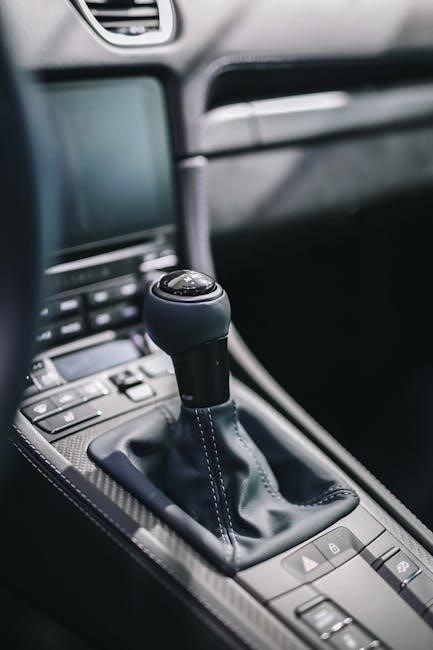
Regular fluid checks, clutch inspection, and shift linkage lubrication are crucial. Proper shifting techniques extend component life, preventing premature wear and costly repairs.
Transmission Fluid Changes (Although Manuals are Less Frequent)
While BMW 335i manual transmissions don’t require fluid changes as often as automatics, neglecting this maintenance is a mistake. The fluid lubricates gears, synchronizers, and bearings, reducing wear and ensuring smooth operation.
Although specific intervals aren’t rigidly defined, a fluid change every 30,000-60,000 miles is a sensible precaution, especially with spirited driving. Using the correct BMW-specified fluid is vital; aftermarket options may lack necessary additives.
Signs a fluid change is needed include difficulty shifting, gear noise, or a generally notchy feel. Ignoring these symptoms can lead to expensive internal damage.
Clutch Inspection and Adjustment
Regular clutch inspection is crucial for a BMW 335i’s manual transmission longevity. Check for signs of wear, including a soft or spongy pedal feel, slipping during acceleration, or difficulty engaging gears. Inspect the clutch disc for glazing, hot spots, or excessive wear.
Adjustment, if possible (some systems are self-adjusting), ensures proper pedal travel and engagement point. Incorrect adjustment can cause premature wear or incomplete clutch disengagement.
Early detection of clutch issues prevents more significant, costly repairs. A failing clutch can damage the flywheel and potentially other transmission components.
Shift Linkage Lubrication
Maintaining properly lubricated shift linkage is vital for smooth, precise gear changes in the BMW 335i’s manual transmission. Over time, the linkage points can become dry, leading to notchy shifts, increased effort, and potential wear.
Use a high-quality lithium grease specifically designed for automotive applications. Apply sparingly to all pivot points and bushings within the linkage system.
Regular lubrication reduces friction, minimizes wear, and ensures a crisp, connected feel. Inspect the linkage for any damaged or worn components during lubrication.
Proper Shifting Techniques
Mastering proper shifting technique extends the life of your BMW 335i’s manual transmission and enhances the driving experience. Avoid “speed shifting” or forcing the gear lever; smooth, deliberate movements are key.
Fully depress the clutch pedal before each gear change and match engine RPM to road speed. Rev-matching during downshifts minimizes stress on the synchronizers.
Release the clutch smoothly after engaging the next gear. Avoid riding the clutch, as this causes excessive wear. Practice consistent technique for optimal performance and longevity.
Performance Modifications and Considerations
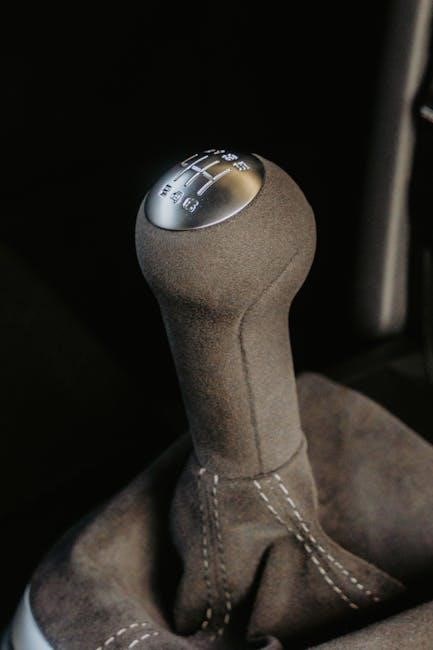
Upgrading components like the flywheel, short shifter, or clutch can significantly enhance the 335i’s performance. However, consider power levels and driving style.
Lightweight Flywheel Options
For the BMW 335i’s manual transmission, a lightweight flywheel is a popular modification aimed at improving engine responsiveness and acceleration. Reducing rotational mass allows the engine to rev more freely, resulting in quicker shifts and a more connected feel. Several options exist, ranging in weight reduction and price point.
Consider single-mass flywheels for a more aggressive driving experience, or dual-mass alternatives for improved NVH (noise, vibration, and harshness). Proper installation and clutch compatibility are crucial; ensure the flywheel is balanced correctly to avoid vibrations. Upgrading the clutch alongside a lightweight flywheel is often recommended to handle increased power and prevent slippage.
Short Shifter Installation
A short shifter dramatically alters the BMW 335i’s manual transmission feel, reducing throw length for faster, more precise gear changes. Installation typically involves replacing the shift linkage components with shorter versions, available from various aftermarket suppliers. This modification minimizes the distance the lever travels between gears, enhancing the driving experience.
Careful adjustment is vital post-installation to ensure proper engagement and avoid binding. Some kits require modification of the center console. Consider the degree of reduction – excessive shortening can make daily driving less comfortable. Combining a short shifter with a weighted shift knob further improves shift quality and feel.
Clutch Upgrades for Increased Power
When modifying a 335i’s N54 engine for increased power, the stock clutch often becomes a limiting factor. Upgrading to a performance clutch is crucial to handle the increased torque and prevent slippage. Options range from enhanced organic clutches for moderate gains to full ceramic or multi-plate clutches for substantial power levels.
Consider the driving style; aggressive clutches can be harder to modulate for daily use. Upgrading also necessitates checking the flywheel’s condition and potentially lightening it. Proper break-in procedures are essential to maximize clutch life and performance, avoiding glazing and ensuring optimal grip.

Troubleshooting Common Problems
Diagnosing issues requires a systematic approach, checking gear selection, clutch feel, and listening for unusual noises to pinpoint the source of the problem efficiently.
Diagnosing Gear Selection Issues
When encountering difficulty selecting gears in your 335i’s manual transmission, begin by assessing the clutch pedal’s travel and feel. A spongy or incomplete disengagement can hinder smooth shifting. Inspect the shift linkage for looseness or damage, as this directly impacts precision.
Listen carefully for any grinding noises during gear attempts, potentially indicating synchronizer issues. Confirm sufficient transmission fluid level, though less frequent in manuals, low levels can still cause problems. If issues persist, consider a scan for any related diagnostic trouble codes, even if the check engine light isn’t illuminated.
Addressing Clutch Pedal Feel Problems
A compromised clutch pedal feel in your 335i manual can signal several issues. Begin by inspecting the clutch master and slave cylinders for leaks, as hydraulic failure is common. Air within the hydraulic lines creates a spongy sensation; bleeding the system resolves this.
Check the clutch cable (if equipped) for fraying or adjustment needs. Worn clutch disc material results in a higher pedal engagement point. Investigate the throw-out bearing for noise or stiffness, indicating impending failure. Proper diagnosis ensures targeted repair, restoring optimal pedal feel and engagement.
Identifying and Fixing Transmission Noises
Unusual noises from your 335i’s manual transmission demand prompt attention. Whining sounds often indicate worn wheel bearings or low transmission fluid – though fluid changes are less frequent in manuals. Grinding, especially during shifts, points to synchronizer issues requiring rebuild or replacement.
Clunking noises may stem from worn shift linkage components or internal gear damage. A failing throw-out bearing typically produces a chirping or squealing sound when the clutch pedal is depressed. Accurate noise identification guides effective repair, preventing further damage.

Repair Costs and Considerations
Repair expenses for the 335i manual transmission vary significantly. Clutch replacements average a substantial cost, while synchronizer work can be equally pricey, demanding careful budgeting.
Average Cost of Clutch Replacement
Clutch replacement on the BMW 335i, a common maintenance item, presents a significant expense for owners. The total cost typically ranges from $800 to $1,500, factoring in both parts and labor. Parts themselves – including the clutch disc, pressure plate, and throw-out bearing – can run between $300 and $600, depending on the brand and quality chosen.
Labor costs, generally between $500 and $900, depend heavily on the mechanic’s hourly rate and the complexity of the job. Additional expenses may arise if related components, such as the pilot bearing or rear main seal, require replacement during the process. It’s crucial to obtain quotes from multiple reputable shops to ensure a fair price.
Cost of Synchro Replacement
Synchro replacement on the BMW 335i’s manual transmission can be a complex and costly repair. The price varies significantly based on which synchro(s) are failing and the labor involved. Expect to pay between $500 and $1,200 for a single synchro replacement, including parts and labor. Replacing multiple synchros, a common scenario with higher mileage, will naturally increase the cost, potentially exceeding $2,000.
Parts costs for synchro kits range from $150 to $400. Labor is substantial, requiring transmission disassembly, inspection, and reassembly, often taking 8-12 hours at a shop rate.
Valve Body Issues (Related to Transmission Control)
While the 335i’s manual transmission doesn’t have a valve body in the traditional sense like automatics, related transmission control issues can mimic valve body failures. Problems often stem from sensors impacting gear selection or communication with the DME (Engine Control Module). A broken bridge seal within the transmission control system can cause erratic shifting or complete transmission failure, requiring valve body replacement or repair – costing $400 to $800.
Resetting transmission adaptations is crucial after any repair.

Market Value and Finding a Good Example
Manual 335i models command a premium, typically ranging from $12,000 to $25,000, depending on condition, mileage, and modifications. Thorough pre-purchase inspections are essential.
Pricing Trends for Manual 335i Models
The market for manual BMW 335i models has seen consistent appreciation in recent years, driven by increasing demand from driving enthusiasts. Currently, well-maintained examples typically range between $12,000 and $25,000, though prices can fluctuate based on mileage, condition, and modifications. Lower mileage, unmodified cars generally command higher prices. Expect to pay a premium for examples with documented service histories and desirable options. Recent trends indicate a slight increase in pricing, reflecting the growing collector interest in these cars. Location also plays a role, with prices varying regionally.
What to Look for When Purchasing a Used 335i
When acquiring a used 335i with a manual transmission, prioritize a thorough inspection. Verify complete service records, focusing on oil changes and any transmission-related work. Check for clutch wear – smooth engagement is crucial. Inspect the shift linkage for looseness or excessive play. Examine for oil leaks, particularly around the valve cover and oil filter housing. A pre-purchase inspection by a BMW specialist is highly recommended. Look for signs of modifications and assess their quality. Confirm the absence of grinding during gear changes.
Comparison to Automatic Transmission Models
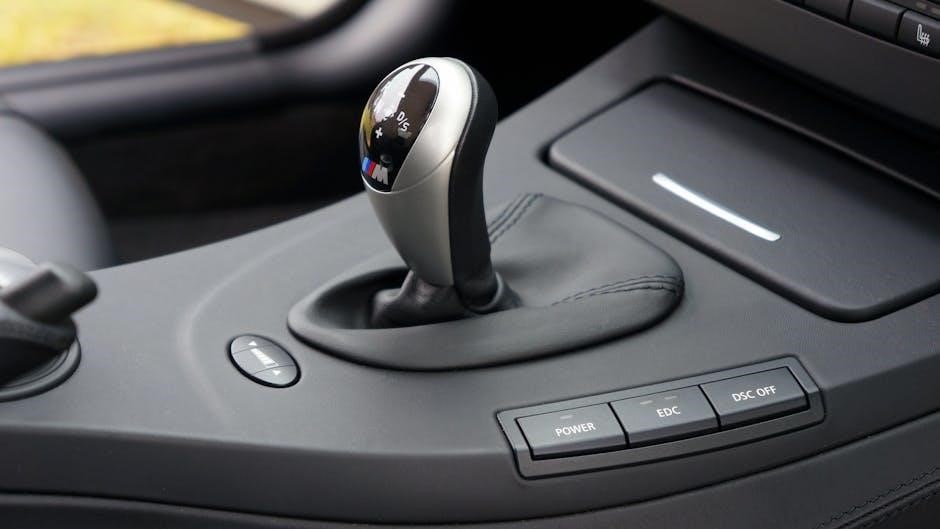
Manual 335i models deliver a more driver-focused experience, offering greater control and engagement compared to automatics, though automatics may provide slightly different performance characteristics.
Driving Experience Differences
The 335i’s manual transmission fundamentally alters the driving experience, fostering a deeper connection between driver and machine. Unlike the convenience of an automatic, the manual demands active participation in gear selection, providing a sense of control often missing in modern vehicles. This engagement translates to a more visceral and rewarding drive, particularly on winding roads or during spirited acceleration.
Shifting yourself allows for precise control over engine RPMs, optimizing power delivery and enhancing the overall driving feel. While automatics offer smoothness, the manual provides a raw, tactile experience that many enthusiasts cherish. It’s a more involved, demanding, and ultimately satisfying way to experience the 335i’s performance potential.
Reliability Comparison
Generally, the 335i’s manual transmission proves more reliable than its automatic counterpart. Fewer complex components mean fewer potential failure points. However, manual transmissions aren’t immune to issues; clutch wear is a primary concern, requiring eventual replacement. Synchronizer wear, leading to gear grinding, can also occur with age and aggressive shifting.
Automatics in the 335i, particularly the ZF 6-speed, can experience valve body failures and oil leaks, often necessitating costly repairs; While preventative maintenance is crucial for both, the manual’s simpler design often translates to lower long-term ownership costs and increased dependability.

Long-Term Ownership and Reliability
With diligent maintenance, a 335i manual can offer lasting enjoyment. Expect clutch, flywheel, and potentially synchro replacements as wear items over time.
Potential for Long-Term Reliability with Proper Maintenance
The BMW 335i’s manual transmission, while robust, demands proactive care for sustained reliability. Regular transmission fluid checks, though less frequent than automatics, are crucial. Addressing minor shift linkage issues promptly prevents escalation. Clutch inspection and adjustment, alongside mindful driving habits, significantly extend component lifespan. Ignoring warning signs – like grinding or difficulty selecting gears – can lead to costly repairs.
Preventative maintenance, including lubrication of shift components, minimizes wear. Consistent attention to these details ensures the 335i’s manual transmission remains a rewarding part of the driving experience for years to come.
Common Wear Items and Expected Lifespan
The 335i’s manual transmission experiences typical wear on components like the clutch disc, pressure plate, and throw-out bearing. Clutch life varies greatly – from 50,000 to 100,000 miles – depending on driving style. Synchronizers, prone to wear with aggressive shifting, may exhibit grinding after 80,000-120,000 miles.
Shift linkage bushings degrade over time, causing imprecise shifts. Expect to replace these around 75,000-100,000 miles. With diligent maintenance and moderate use, the core transmission itself can exceed 150,000 miles before requiring major overhaul.
Resources and Communities
Numerous BMW forums and online communities provide invaluable support for 335i owners. Dedicated parts suppliers specialize in components for these transmissions, aiding repairs and upgrades.
BMW Forums and Online Communities
Engaging with the BMW enthusiast community is crucial for 335i manual transmission owners. Platforms like Bimmerfest, E90Post, and dedicated Reddit forums (r/BMW) offer a wealth of knowledge. Members share troubleshooting tips, repair experiences, and modifications. These spaces are invaluable for diagnosing issues, sourcing parts, and understanding common problems like synchro wear or clutch behavior.
You’ll find detailed discussions on fluid choices, shift linkage adjustments, and even DIY repair guides; Experienced owners often provide assistance, helping navigate the complexities of maintaining these transmissions. Active participation can save time and money, fostering a collaborative environment for 335i enthusiasts.
Parts Suppliers for 335i Manual Transmissions
Sourcing quality parts for the 335i’s manual transmission requires careful consideration. Reputable suppliers include FCP Euro, known for their lifetime replacement guarantee on all parts. Turner Motorsport specializes in BMW performance components, offering clutch kits, short shifters, and synchros. Pelican Parts provides a broad catalog with detailed diagrams and technical information.
Additionally, consider BMW dealer parts departments for genuine OEM components. When purchasing, verify compatibility with your specific model year (E90, E92, or E93). Exploring online marketplaces can yield used parts, but exercise caution and inspect thoroughly before purchase.