body butter formulation pdf
Unlock the secrets to incredibly soft skin! ✨ Download our FREE body butter formulation PDF & create dreamy, natural skincare. Easy recipes inside – get started now!
Body butter formulation offers a pathway to deeply nourishing skincare, addressing dryness and promoting skin health with readily available ingredients․
Crafting your own body butter allows for personalized blends, bypassing harsh chemicals often found in commercial products, and achieving desired textures․
This guide explores the art and science of body butter creation, from ingredient selection to troubleshooting common formulation challenges, ensuring success․
What is Body Butter?
Body butter is an intensely moisturizing skincare product, distinct from lotions and creams due to its higher oil content and thicker consistency․ Unlike lotions, which contain a significant water component, body butters are primarily composed of butters – like shea or cocoa – and carrier oils; This creates a rich, emollient product that forms a protective layer on the skin, locking in moisture and providing long-lasting hydration․
The formulation typically avoids water, meaning it doesn’t require preservatives in the same way water-based products do․ This makes it a naturally stable option․ Body butters are known for their ability to soothe dry, cracked skin, improve elasticity, and leave a noticeable softness․ They are often used on particularly dry areas like elbows, knees, and feet, but can be applied all over the body for deep nourishment․ The texture can range from light and fluffy (whipped body butter) to dense and creamy, depending on the ingredients and preparation method․
Benefits of Homemade Body Butter
Creating body butter at home unlocks a wealth of benefits beyond simply moisturizing skin․ You gain complete control over ingredients, avoiding potentially harmful chemicals, artificial fragrances, and preservatives commonly found in store-bought options․ This is particularly advantageous for individuals with sensitive skin or allergies․
Homemade formulations allow for customization, tailoring the blend to your specific skin type and preferences – choosing oils and essential oils that address your unique needs․ It’s also a cost-effective alternative, as ingredients purchased in bulk are often more affordable․ The process itself can be incredibly rewarding, fostering a connection to your skincare routine and promoting self-care․
Furthermore, you can ensure the use of ethically sourced, sustainable ingredients, supporting responsible practices․ Ultimately, homemade body butter offers a natural, personalized, and empowering approach to skincare․
Key Ingredients for Body Butter
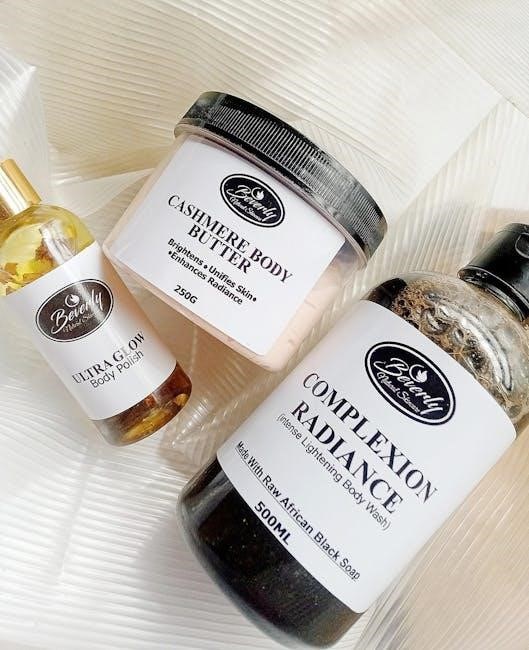
Essential components include rich butters like shea and cocoa, nourishing carrier oils – coconut, jojoba, and almond – and aromatic essential oils for therapeutic benefits․
Shea Butter: Properties and Sourcing
Shea butter, derived from the nuts of the shea tree (Butyrospermum parkii), is a cornerstone ingredient in body butter formulations due to its exceptional emollient and moisturizing properties․ Rich in fatty acids, vitamins A and E, and cinnamic acid, it offers UV protection and promotes skin healing․
There are two primary grades: refined and unrefined․ Unrefined shea butter retains its natural vitamins and therapeutic benefits, exhibiting a creamy, ivory color and a characteristic nutty aroma․ Refined shea butter is processed to remove the scent and color, resulting in a more neutral product, though some beneficial compounds may be lost․
Sourcing ethically is crucial․ Look for shea butter that is sustainably harvested and supports the women’s cooperatives in West Africa who traditionally process it․ Fair trade certifications ensure fair wages and community development․ Quality shea butter should be solid at room temperature, softening with body heat upon application․
Cocoa Butter: Types and Uses
Cocoa butter, extracted from cocoa beans, imparts a luxurious, rich texture and a subtle chocolate aroma to body butters․ It’s a solid fat, highly emollient, and creates a protective barrier on the skin, preventing moisture loss․ Two main types are available: deodorized and natural․
Deodorized cocoa butter undergoes processing to remove its natural scent, making it ideal for formulations where a neutral base is desired․ Natural cocoa butter retains its characteristic chocolate fragrance, which can enhance the sensory experience of the final product․ Both types offer excellent moisturizing benefits․
In body butter, cocoa butter contributes to hardness and stability․ It’s often combined with softer butters like shea to achieve a balanced consistency․ Using too much can result in a very firm product, while a smaller percentage adds richness without excessive solidity․ Ensure it’s ethically sourced for sustainability․
Carrier Oils: A Comprehensive Overview
Carrier oils form the foundation of body butters, delivering essential fatty acids and contributing to the overall texture and absorption rate․ They ‘carry’ essential oils, diluting them for safe topical application and enhancing their benefits․ Selecting the right carrier oil is crucial for achieving desired results;
Consider the oil’s comedogenic rating (pore-clogging potential) and absorption speed․ Lighter oils like grapeseed absorb quickly, while heavier oils like avocado provide intense moisturization․ Popular choices include coconut, jojoba, sweet almond, and apricot kernel oil, each offering unique properties․
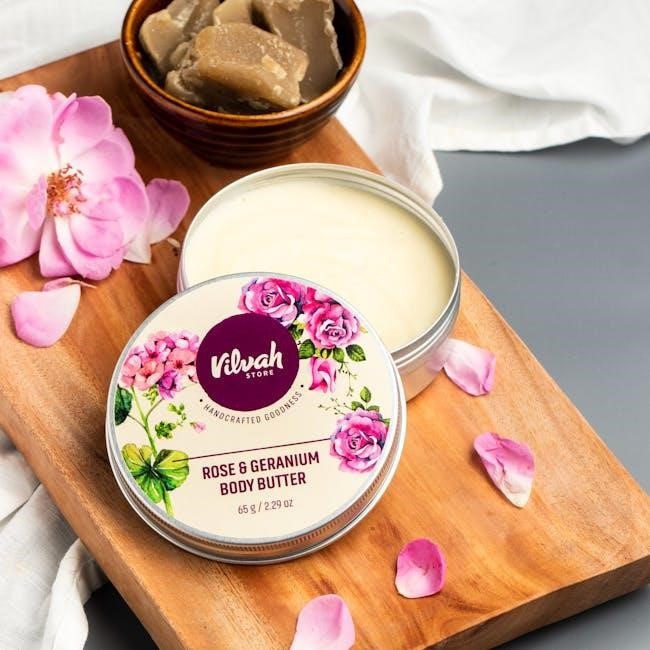
Blending different carrier oils allows for a customized formulation․ Combining a lighter and heavier oil can balance absorption and provide a broader spectrum of nutrients․ Always choose high-quality, cold-pressed, and unrefined oils to retain their beneficial compounds․
Coconut Oil: Benefits and Considerations
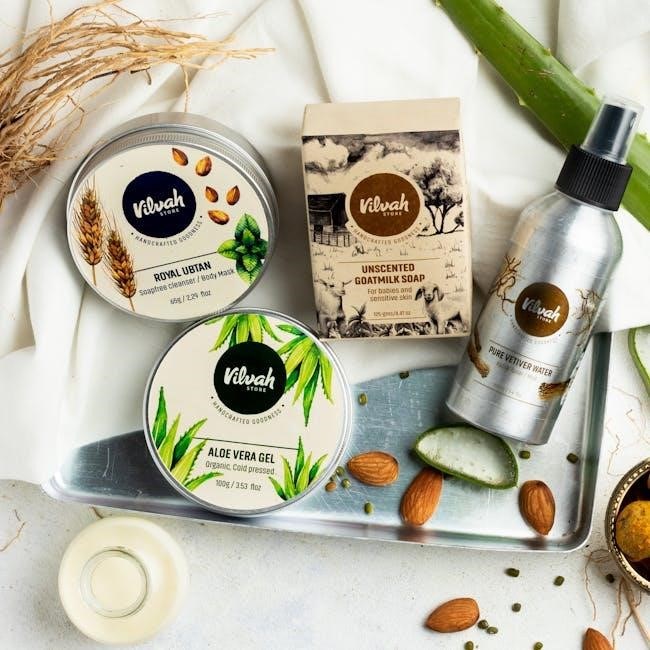
Coconut oil is a widely used carrier oil in body butter formulations, prized for its deeply moisturizing properties and distinct aroma․ It’s rich in lauric acid, known for its antimicrobial benefits, and contributes to a solid, stable texture, enhancing the body butter’s shelf life․
However, coconut oil can be comedogenic for some skin types, potentially clogging pores and leading to breakouts․ Fractionated coconut oil, with the long-chain triglycerides removed, offers a lighter, non-comedogenic alternative, though it lacks the same solidifying effect․
When using coconut oil, consider the climate․ In warmer temperatures, it melts easily, affecting the body butter’s consistency․ Blending it with harder butters like shea or cocoa butter can help maintain stability․ Always opt for virgin, unrefined coconut oil for maximum benefits․
Jojoba Oil: Mimicking Skin’s Natural Sebum
Jojoba oil stands out as a superior carrier oil in body butter formulations due to its remarkably close resemblance to the skin’s natural sebum․ This unique composition allows it to readily absorb into the skin, providing deep hydration without a greasy residue, making it suitable for all skin types, even acne-prone ones․
Unlike many other oils, jojoba oil is a liquid wax ester, not a triglyceride, contributing to its exceptional stability and long shelf life․ It helps to balance oil production, making it beneficial for both dry and oily skin conditions․
Jojoba oil also possesses anti-inflammatory properties and is rich in vitamin E, a potent antioxidant․ Its inclusion in body butter enhances the product’s overall nourishing and protective qualities, promoting healthy, radiant skin․
Sweet Almond Oil: Nourishing and Gentle
Sweet almond oil is a highly valued carrier oil in body butter recipes, celebrated for its gentle nature and rich nutritional profile․ It’s incredibly nourishing, packed with vitamins A, D, and E, as well as essential fatty acids, contributing to improved skin elasticity and a healthy complexion․
This oil is easily absorbed, leaving the skin feeling soft and smooth without a heavy, greasy feel․ Its hypoallergenic properties make it an excellent choice for sensitive skin, minimizing the risk of irritation or allergic reactions․
Sweet almond oil also boasts mild anti-inflammatory benefits, soothing irritated skin and reducing redness․ It enhances the overall luxurious texture of body butter, providing a comforting and deeply moisturizing experience․
Essential Oils: Aromatherapy and Skin Benefits
Essential oils elevate body butter beyond simple moisturization, introducing the powerful benefits of aromatherapy and targeted skincare․ These concentrated plant extracts offer a diverse range of therapeutic properties, influencing both mood and skin health․
When incorporating essential oils, careful consideration of skin type and desired effects is crucial․ They contribute unique fragrances and can address specific concerns like inflammation, acne, or dryness․ Proper dilution is paramount to avoid irritation; typically, a 1-3% concentration is recommended․
Beyond scent, essential oils deliver antioxidants and can promote cellular regeneration․ They transform body butter into a holistic self-care experience, blending sensory pleasure with tangible skin benefits․
Lavender Essential Oil: Calming and Healing
Lavender essential oil stands as a cornerstone in natural skincare, renowned for its calming aroma and versatile therapeutic properties․ Its inclusion in body butter formulations offers a soothing experience, promoting relaxation and reducing stress – a perfect addition for evening routines․
Beyond its aromatherapy benefits, lavender possesses potent anti-inflammatory and antiseptic qualities, making it beneficial for sensitive or irritated skin․ It can aid in healing minor burns, cuts, and eczema, while also promoting skin cell regeneration․
Lavender’s gentle nature makes it suitable for most skin types, including those prone to sensitivity․ Its floral scent blends beautifully with other essential oils, creating harmonious and luxurious body butter blends․
Tea Tree Essential Oil: For Problem Skin
Tea tree essential oil is a powerful ally for addressing various skin concerns, making it a valuable addition to body butter formulations designed for problem skin․ Celebrated for its potent antibacterial, antiviral, and antifungal properties, it effectively combats acne-causing bacteria and reduces inflammation․
This essential oil is particularly beneficial for individuals struggling with blemishes, breakouts, or skin infections․ It helps to unclog pores, reduce redness, and promote faster healing․ However, due to its potency, tea tree oil should always be used in dilution within a carrier oil base, like those found in body butters․
When incorporating tea tree oil, start with a low concentration to assess skin sensitivity and avoid potential irritation․ It’s a targeted solution for specific areas needing extra care․
Formulation Techniques
Successful body butter creation relies on mastering melting and blending techniques, ensuring ingredients combine seamlessly for a stable, luxurious texture and optimal benefits․
Melting and Blending Methods
Achieving a smooth, consistent body butter begins with proper melting techniques․ A double boiler is highly recommended, providing gentle, indirect heat to prevent scorching delicate butters like shea and cocoa․ Alternatively, short bursts in the microwave, with frequent stirring, can be utilized, but require careful monitoring․
Once melted, allow the butters to cool slightly before introducing carrier oils․ Adding oils while the butters are excessively hot can degrade their beneficial properties․ Gradual incorporation, with consistent stirring, is crucial for a homogenous blend․
Consider using a hand mixer or stand mixer for optimal emulsification, especially when incorporating larger volumes of oils․ Whipping introduces air, creating a lighter, fluffier texture․ Be mindful not to overwhip, as this can lead to a grainy consistency․ Temperature control throughout the process is paramount for a stable, luxurious final product․
Emulsification and Stabilization
Emulsification in body butter formulation isn’t about water and oil, as with lotions, but rather achieving a stable blend of solid butters and liquid oils․ Thorough mixing, particularly with a hand or stand mixer, is key to dispersing the oil evenly throughout the butter base․
While true emulsifiers aren’t typically required, certain ingredients can aid stability․ Vitamin E oil acts as a natural antioxidant, preventing rancidity and contributing to a smoother texture․ Small amounts of beeswax can also enhance firmness and prevent separation․
Cooling the mixture slowly encourages crystallization, contributing to a less grainy final product․ Rapid cooling can lead to unstable structures․ Proper ratios of butters to oils are vital; too much oil can result in a greasy product, while too little yields a hard, difficult-to-apply butter․
Recipe Examples & Variations
Explore diverse body butter recipes, from basic shea butter blends to whipped, fluffy textures and vitamin-enriched formulas, tailoring to individual preferences․
Experiment with essential oils for aromatherapy benefits and adjust ingredient ratios for desired consistency and skin-nourishing properties․
Basic Shea Butter Body Butter Recipe
This foundational recipe provides a simple starting point for creating luxurious body butter․ It utilizes the deeply moisturizing properties of shea butter as its base, complemented by a carrier oil for enhanced spreadability and absorption․ Begin with 1 cup (approximately 227g) of unrefined shea butter – ensuring it’s sourced responsibly for optimal quality․
Melt the shea butter gently using a double boiler or short bursts in the microwave, avoiding overheating․ Once melted, add ½ cup (approximately 120ml) of your preferred carrier oil, such as coconut oil, sweet almond oil, or jojoba oil․ Stir thoroughly to combine․
Allow the mixture to cool slightly before whipping with an electric mixer for 5-10 minutes, until light and fluffy․ For a subtle scent, incorporate 10-20 drops of your chosen essential oil during the whipping process․ Transfer the finished body butter to an airtight container and store in a cool, dark place․ This basic recipe can be customized with additional ingredients as desired․
Whipped Body Butter for Extra Fluffiness
Achieving a delightfully airy texture requires a specific whipping technique and potentially, a few added ingredients․ Start with the basic shea butter body butter recipe as a foundation – 1 cup shea butter and ½ cup carrier oil․ After melting and slightly cooling the mixture, the key lies in prolonged and vigorous whipping․
Utilize an electric mixer on high speed for 10-15 minutes, observing the transformation from a dense cream to a light, fluffy consistency․ Incorporating a small amount (approximately 1 tablespoon) of liquid carrier oil, like fractionated coconut oil, during whipping can further enhance the airy texture․
Some formulators also add a tiny amount of vitamin E oil (¼ teaspoon) as a natural preservative and skin booster․ Patience is crucial; the whipping process is what creates the desired cloud-like feel․ Store in an airtight container to maintain fluffiness․
Body Butter with Added Vitamins (E & C)
Boosting the nutritional profile of your body butter is easily achieved with the inclusion of Vitamins E and C․ Vitamin E, a potent antioxidant, helps preserve the body butter and offers skin-protecting benefits, preventing free radical damage; Add approximately ¼ to ½ teaspoon of Vitamin E oil to your melted and cooled base blend – shea butter and carrier oils․
Vitamin C, known for its brightening and collagen-boosting properties, is more delicate and best incorporated as a stable derivative like Sodium Ascorbyl Phosphate․ Use around ½ to 1 teaspoon of this powder, ensuring it’s thoroughly dispersed during the mixing stage․
Be mindful that Vitamin C can sometimes cause slight discoloration; a small patch test is recommended․ These vitamins enhance the body butter’s efficacy, providing additional skincare benefits beyond simple moisturization․
Troubleshooting Common Issues
Addressing texture and stability is crucial; grainy textures often stem from shea butter crystallization, remedied by gentle re-melting and cooling slowly․
Grainy Texture: Causes and Solutions
A common frustration in body butter making is the development of a grainy texture, often appearing after the product has cooled and set․ This isn’t a sign of spoilage, but rather a crystallization of the shea butter – specifically, the formation of beta crystals․ Shea butter can crystallize in different forms; beta crystals are larger and create that gritty feel, while alpha and gamma crystals are smoother․
Several factors contribute to this issue, including rapid cooling, temperature fluctuations during the cooling process, and the shea butter’s inherent composition․ To prevent graininess, the key is controlled cooling․ After melting and blending your ingredients, pour the mixture into containers and allow it to cool slowly at a consistent room temperature, avoiding refrigeration or drafts․
If graininess does occur, don’t discard your batch! Gently re-melt the body butter, ensuring you don’t overheat it․ Allow it to cool very slowly, stirring occasionally to encourage the formation of the desired alpha or gamma crystals․ Some formulators also suggest seeding the melted butter with a small amount of already smooth, properly crystallized body butter to promote the correct crystal structure․
Separation of Oils: Prevention and Correction
Oil separation in body butter presents as a liquid layer forming on top of the solid butter, impacting both texture and appearance․ This occurs because different oils have varying melting points; warmer temperatures cause the lower-melting-point oils to liquefy and rise․ Prevention centers around formulation and storage․
To minimize separation, ensure thorough blending of all ingredients while the mixture is still warm, but not hot․ Incorporating a small percentage of emulsifying wax (even in a waterless formula) can help bind the oils together․ Using a higher proportion of solid butters (shea, cocoa) relative to liquid oils also contributes to stability․
If separation happens, don’t panic! Gently re-melt the body butter, stirring continuously to recombine the oils․ Allow it to cool slowly, as described in the ‘Grainy Texture’ section, to encourage a homogenous mixture․ Proper storage in a cool, dark place, away from direct heat, is crucial to prevent future separation․ Avoid temperature fluctuations․