
lifestage puppy food feeding guide
Confused about puppy food? Our UK guide takes the stress out of feeding! Discover the best amounts, schedules & tips for a thriving pup. Get started now!
Proper nutrition is vital for a puppy’s growth and development․ Understanding age-specific needs, portion control, and food choices ensures a healthy, happy companion․
Why Specialized Puppy Food is Crucial
Puppies have dramatically different nutritional requirements than adult dogs․ Their rapid growth necessitates higher levels of protein, fat, calcium, and other essential nutrients․ Specialized puppy food is formulated to precisely meet these demands, supporting healthy bone development, muscle growth, and immune system function․
Using adult dog food can lead to deficiencies or imbalances, potentially causing stunted growth, skeletal problems, or weakened immunity․ Choosing a food specifically designed for puppies ensures they receive the building blocks needed for a strong, healthy start in life, setting the foundation for a long and vibrant future․
Understanding Puppy Nutritional Needs
Puppies require a carefully balanced diet rich in high-quality protein for muscle development and tissue repair․ Fats provide concentrated energy for their active lifestyles, while calcium and phosphorus are crucial for strong bones and teeth․ Essential fatty acids, like DHA, support brain and vision development․
Furthermore, puppies need appropriate levels of vitamins and minerals to bolster their immune systems․ A diet tailored to their lifestage, considering breed size and activity level, is paramount․ Avoiding over or underfeeding is key to preventing health issues and ensuring optimal growth․
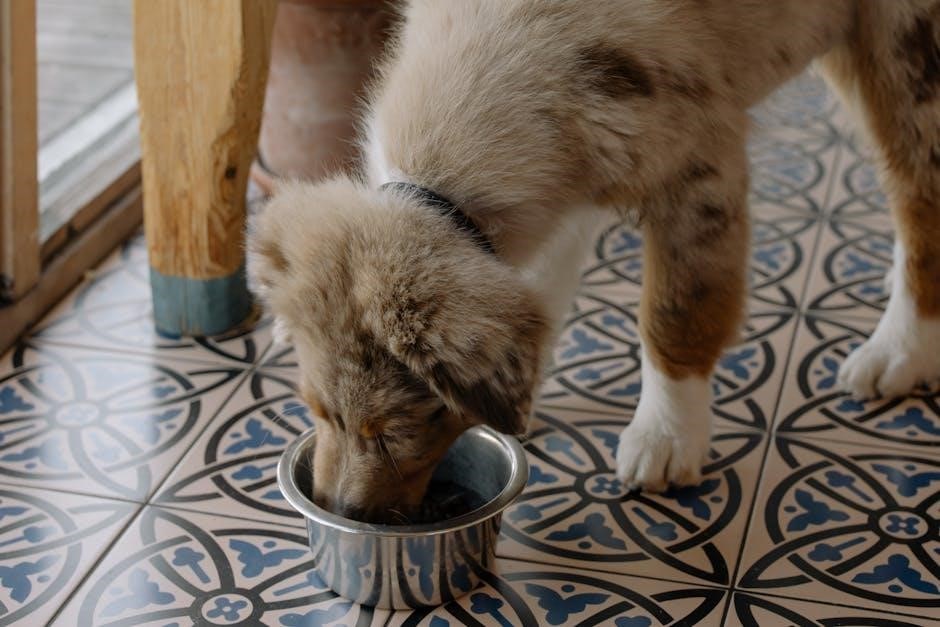
Stages of Puppy Development & Feeding
Puppy feeding evolves with growth! From mother’s milk to solid food, each stage—newborn, weaning, and adolescence—demands specific nutritional adjustments for optimal health․
Newborn to 3 Weeks: Mother’s Milk
During the first three weeks, a puppy’s sole source of nutrition should be their mother’s milk․ This colostrum provides crucial antibodies for a developing immune system, offering vital protection against early diseases․
Newborns are unable to regulate their own body temperature, so maintaining a warm environment is essential for successful nursing․ Puppies nurse frequently, and the mother’s milk provides all the necessary nutrients, hydration, and energy for rapid growth during this critical period․
Intervention is generally unnecessary unless the mother is unable to provide adequate care or the litter is exceptionally large, requiring supplemental feeding – always under veterinary guidance․
3 to 4 Weeks: Introducing Complementary Foods
Around three to four weeks, puppies begin to explore solid foods, but mother’s milk remains essential․ This is the ideal time to start introducing a puppy-specific gruel – a mixture of high-quality puppy kibble softened with warm water or puppy milk replacer․
Offer small amounts several times a day, allowing puppies to investigate and sample at their own pace․ Initially, they may just play with it!
Gradually increase the consistency of the gruel as they become more accustomed to eating, and continue to provide unlimited access to their mother for nursing․
4 to 8 Weeks: Transitioning to Solid Food
Between four and eight weeks, puppies steadily decrease their reliance on their mother’s milk and increase their intake of solid food․ Continue offering puppy gruel, gradually reducing the amount of liquid to create a more paste-like consistency․
Over the next few weeks, transition to fully moistened kibble, then eventually to dry kibble․
Offer food four times daily, ensuring it’s specifically formulated for puppies to support their rapid growth; Monitor their weight and adjust portions accordingly, always providing fresh water․

Choosing the Right Puppy Food
Selecting a high-quality puppy food is essential for optimal health․ Consider factors like ingredients, life stage formulas, and whether to choose kibble or wet food․
Dry Kibble vs․ Wet Food
Dry kibble is often more affordable and convenient, promoting dental health through chewing․ It typically has a longer shelf life once opened, and can be left out for free-feeding (though portion control is still key!)․ Wet food, conversely, boasts higher moisture content, which is beneficial for hydration, especially for puppies prone to urinary issues․
It’s also often more palatable, making it a good choice for picky eaters or those with reduced appetites․ However, wet food is generally more expensive and spoils quickly once exposed to air․ Many owners choose to combine both, utilizing wet food as a topper to enhance the flavor of kibble or as a special treat․
Reading Puppy Food Labels
Understanding puppy food labels is crucial for making informed decisions․ Look for an “AAFCO statement” verifying the food meets nutritional standards for growth․ Pay attention to the ingredient list; meat should be among the first few listed, indicating a higher protein content․ Avoid foods with excessive fillers like corn, wheat, and soy․
Guaranteed Analysis provides percentages of protein, fat, fiber, and moisture․ Consider the calorie content (kcal/cup or kcal/kg) to accurately measure portions․ Be wary of vague terms like “meat by-products” and prioritize foods with clearly defined ingredients․
Key Ingredients to Look For
High-quality animal protein is paramount for muscle development; chicken, lamb, or fish are excellent choices․ Essential fatty acids, like DHA and EPA (often from fish oil), support brain and vision development․ Look for easily digestible carbohydrates such as sweet potatoes or brown rice, providing sustained energy․
Vitamins and minerals, including calcium and phosphorus, are vital for bone growth․ Antioxidants, like Vitamin E, bolster the immune system․ Avoid artificial colors, flavors, and preservatives․ A balanced ingredient profile ensures your puppy receives complete and optimal nutrition․

Feeding Schedule & Portion Control
Consistent feeding times and appropriate portions are crucial for healthy growth․ Divide daily food allowance into multiple meals, adjusting as the puppy matures․
Age-Based Feeding Guidelines (8-12 Weeks)
During this crucial period, puppies require frequent, small meals to support rapid growth․ Typically, feed them four times daily – once every three to four hours․ Portion sizes should align with the food manufacturer’s guidelines, often based on body weight․
Expect to offer approximately 1/2 to 1 cup of high-quality puppy food daily, split into those four feedings․ Monitor your puppy’s body condition closely; you should be able to feel, but not easily see, their ribs․ Adjust portions accordingly to maintain a healthy weight and avoid over or underfeeding․
Age-Based Feeding Guidelines (3-6 Months)
As puppies grow, their nutritional needs evolve․ Reduce feeding frequency to three times daily, continuing to provide a high-quality puppy food formulated for growth․ Daily intake generally increases to 1 to 1․5 cups, but always refer to the food label for specific recommendations based on weight․
Monitor body condition regularly․ Ribs should be palpable with a slight fat covering․ Activity levels play a role; more active puppies may require slightly larger portions․ Avoid rapid weight gain, as this can contribute to skeletal issues․ Consistent monitoring is key during this phase․
Age-Based Feeding Guidelines (6-12 Months)
During this period, growth begins to slow, but nutritional demands remain high․ Transition to two meals per day, maintaining a high-quality puppy food․ Portion sizes typically range from 1․5 to 2 cups daily, adjusted based on weight and activity level – consult the food packaging․
Continue monitoring body condition closely․ As puppies approach adulthood, consider a gradual transition to adult food around 9-12 months, ensuring a smooth digestive adjustment․ Regular vet checkups are crucial to assess growth and adjust feeding plans accordingly․

Calculating Daily Calorie Needs
Determining calorie needs involves considering weight and activity․ Puppies require more calories for growth, with adjustments based on individual metabolism and exercise․
Using Body Weight as a Guide
A common starting point for calculating a puppy’s daily caloric intake is based on their body weight․ Generally, puppies need approximately 2-3% of their body weight in food daily, but this is a broad guideline․ For example, a 10-pound puppy might initially require 200-300 calories per day․
However, this percentage varies significantly depending on the puppy’s age, breed, metabolism, and activity level․ Smaller breeds typically have faster metabolisms and require more calories per pound than larger breeds․ Always refer to the specific feeding guidelines on the puppy food packaging as a starting point, and then adjust based on your puppy’s individual needs and body condition․
Adjusting for Activity Level
A puppy’s activity level dramatically impacts their caloric needs․ Highly active puppies – those constantly playing, training, or exploring – require significantly more calories than their more sedentary counterparts․ Increase the daily food portion by 25-50% for very active puppies to fuel their energy expenditure and support muscle development․
Conversely, less active puppies may need slightly smaller portions to prevent weight gain․ Regularly monitor your puppy’s body condition score (BCS) and adjust their food intake accordingly․ Remember, maintaining a lean body condition is crucial for long-term health and preventing obesity-related issues․

Common Feeding Mistakes to Avoid
Avoid over or underfeeding, as both can hinder growth․ Consistent monitoring of weight and body condition, alongside vet guidance, is essential for success․
Overfeeding and Obesity
Overfeeding puppies can lead to rapid growth, increasing the risk of developmental orthopedic diseases like hip dysplasia․ Excess calories contribute to obesity, straining joints and organs, and shortening lifespan․ It’s crucial to adhere to feeding guidelines based on age, breed, and activity level․
Regularly assess your puppy’s body condition – you should be able to feel, but not easily see, their ribs․ Avoid free-feeding, and measure food portions accurately․ Treats should constitute a small percentage of daily caloric intake․ Consult your veterinarian to establish a healthy weight management plan and adjust feeding as needed throughout your puppy’s growth stages․
Underfeeding and Growth Stunting
Insufficient caloric intake during puppyhood can severely hinder growth and development․ Underfed puppies may experience stunted physical growth, weakened immune systems, and delayed cognitive function․ This is particularly critical during the rapid growth phases․
Ensure your puppy receives adequate nutrition to support their energy needs and tissue development․ Monitor their weight and body condition closely; a visible ribcage or lack of energy can indicate underfeeding․ Consult your veterinarian if you suspect your puppy isn’t thriving, and adjust their diet accordingly to promote optimal health and reach their full potential․
Treats and Supplements
Healthy treats reinforce training, but should comprise no more than 10% of daily calories․ Supplements are generally unnecessary with a balanced diet․
Healthy Treat Options
When selecting treats for your puppy, prioritize options that contribute to their overall health and well-being․ Small pieces of cooked chicken or turkey, carrot sticks, and blueberries are excellent choices․ Commercial puppy treats should be specifically formulated for their nutritional needs, avoiding those high in sugar, salt, or artificial additives;
Remember to factor treat calories into your puppy’s daily intake to prevent overfeeding․ Freeze-dried liver or sweet potato chews can be highly motivating during training sessions․ Always supervise your puppy while they enjoy a treat, ensuring they chew it properly and don’t gulp it down․
When Supplements Might Be Necessary
Generally, a high-quality, complete, and balanced puppy food should provide all necessary nutrients․ However, certain situations may warrant supplementation, always under veterinary guidance․ Large-breed puppies might benefit from supplements supporting joint health, like glucosamine and chondroitin, to mitigate developmental orthopedic diseases․
Puppies with specific health conditions or dietary restrictions may require tailored supplementation․ For example, a puppy with a compromised immune system could benefit from added Vitamin C or E․ Never self-supplement; excessive vitamins or minerals can be harmful․ A vet can assess your puppy’s individual needs․

Monitoring Your Puppy’s Growth
Regularly assess your puppy’s body condition and weight․ Consistent vet checkups are crucial for tracking development and adjusting the feeding plan as needed․
Body Condition Scoring
Body Condition Scoring (BCS) is a visual and tactile assessment of your puppy’s fat cover․ It’s a valuable tool, alongside weight, to determine if your puppy is at a healthy size․ A score of 1/9 indicates emaciation, while 9/9 signifies obesity․ Ideally, you should be able to feel, but not prominently see, the ribs․
A healthy puppy will have a visible waist when viewed from above and a slight abdominal tuck when viewed from the side․ Regularly performing BCS helps you adjust food portions to maintain optimal condition, preventing both underfeeding and overfeeding, crucial for proper growth and development throughout their first year․
Regular Vet Checkups
Consistent veterinary checkups are paramount for monitoring your puppy’s growth and nutritional status․ Your veterinarian can assess your puppy’s weight gain, body condition, and overall health, providing personalized feeding recommendations․ They can identify potential issues early, like allergies or digestive sensitivities, impacting food choices․
Discuss your puppy’s diet during each visit, including the type of food, portion sizes, and any treats or supplements given․ Your vet can also advise on appropriate vaccination and deworming schedules, which influence nutritional needs, ensuring a thriving, healthy puppy․

Transitioning to Adult Food
Switching to adult food should occur gradually, typically around 6-12 months․ A slow transition minimizes digestive upset and ensures continued healthy development․
When and How to Switch
Determining the optimal time to transition your puppy to adult food depends on breed size and maturity rate․ Small breeds generally reach adulthood around 9-12 months, while larger breeds may take up to 18-24 months․ Look for signs of slowed growth and stable weight as indicators․
The switch should be gradual, over 5-7 days․ Begin by mixing a small amount of adult food (around 25%) with the puppy food, gradually increasing the proportion each day․ Monitor your puppy’s stool for any signs of digestive upset, like diarrhea or vomiting․ If issues arise, slow down the transition process․
Gradual Transition Process

A slow and steady approach minimizes digestive upset during the food change․ Start with a 75% puppy food and 25% adult food mix for 2-3 days․ Then, move to a 50/50 blend for another 2-3 days․ Following this, try 25% puppy food and 75% adult food for a final 2-3 days before fully switching․
Observe your puppy closely throughout the process․ Watch for changes in appetite, energy levels, and stool consistency․ If diarrhea or vomiting occurs, revert to the previous ratio for a longer period before continuing the transition․ Patience is key for a smooth switch!