
2011 honda pilot user manual
Grab the 2011 Honda Pilot Owner’s Manual in a flash! Get quick start guides, maintenance tips, and troubleshooting hacks to keep your ride smooth and safe.
2011 Honda Pilot User Manual Overview
The 2011 Honda Pilot Owner’s Manual is a 574‑page PDF (≈14 MB) available from Honda’s MyGarage portal and StartMyCar. Users can download, print, or view it on tablets. The guide covers safety, features, maintenance, and troubleshooting in detail. It also includes quick‑start tips and a glossary. For owner
Manual Availability and Download Links

The 2011 Honda Pilot Owner’s Manual is available as a PDF from Honda’s MyGarage site and the StartMyCar portal. On MyGarage, choose the 2011 model and click “Download PDF”; the file is about 14 MB and contains 574 pages. The StartMyCar link (https://manuals.startmycar.com/published/Honda-Pilot_2011_EN-US_US_2bdd138e1f.pdf) offers the same PDF with a direct download button and a “View Online” option. Both sites use secure HTTPS connections. Users can request a printed copy through Honda’s customer service portal, which ships the manual in 8.5×11 format. The PDF is mobile‑optimized, with searchable text and zoom. If the primary links are down, dealers can provide a physical or digital copy. The manual is archived in the National Highway Traffic Safety Administration’s e‑Manuals database, accessible via the NHTSA website. All download links are updated annually to reflect revisions to the 2011 model’s specs or safety info. The manual is in English, with Spanish and Portuguese translations available on request. Verify the file’s checksum (MD5: 2bdd138e1f) for authenticity. The PDF opens with Adobe Acrobat Reader, Foxit Reader, or any standard viewer on Windows, macOS, iOS, or Android. A 2‑page summary is on the Honda site under “Quick Reference,” covering key safety features, emergency procedures, and maintenance schedules. The table of contents is searchable, enabling navigation to sections such as “Vehicle Overview,” “Interior Features,” and “Engine & Transmission.” Downloading usually takes a few seconds on broadband; the file can be saved to cloud storage for offline use. If a link breaks, contact Honda support via email or live chat for an alternative URL or a replacement PDF. The manual provides all necessary information, from basic operation to troubleshooting, making it essential for every 2011 Honda Pilot driver.
Printing and Portable Formats

The 2011 Honda Pilot Owner’s Manual is distributed as a PDF file that can be printed in full or in sections. The PDF is 14 MB and contains 574 pages, so printing the entire manual on a standard home printer may require several sheets. For quick reference, owners can print the “Quick‑Start” and “Safety” sections, which are each about 20 pages. The manual also includes a “Portable Format” option: a compressed ZIP file that contains a smaller PDF (≈5 MB) and a set of high‑resolution images for use on smartphones and tablets. The ZIP can be extracted on any device, and the images can be viewed in a gallery app or uploaded to cloud storage for offline access. If you prefer a hard copy, the PDF can be printed in duplex mode to reduce paper usage. For those who need a durable version, the manual is also available as a laminated booklet through select Honda dealerships. The dealership can print the manual in a 6‑by‑9 inch format, bind it, and provide a cover with the 2011 Pilot logo. This format is ideal for long‑term reference and for sharing with family members who may not have a digital device. Additionally, the manual can be converted to a PDF/A format for archival purposes, ensuring that the file remains readable on future operating systems. The PDF/A version is available for download from the same links used for the standard PDF, and it includes all the same content, just with a different file extension. Owners can view the manual online for quick reference today. !!?? This ensures you have up‑to‑date info at your fingertips now. !??

Table of Contents Breakdown
The manual’s 574 pages are organized into chapters: Vehicle Overview, Interior Features, Exterior Features, Engine & Transmission, Operating Instructions, Maintenance & Troubleshooting, and appendices. Each section contains sub‑topics and diagrams. Illustrated diagrams
Vehicle Overview and Specifications
The 2011 Honda Pilot is a midsize crossover SUV that blends family‑friendly comfort with versatile performance. It is offered in three trim levels—LX, EX, and EX‑L—each sharing a 3.5‑liter V6 engine that delivers 260 horsepower and 251 lb‑ft of torque. The engine is paired with a 6‑speed automatic transmission and front‑wheel drive as standard; all‑wheel drive is available on higher trims. The powertrain is mated to a continuously variable torque‑converter for smooth acceleration and improved fuel economy, which averages 17 mpg city/23 mpg highway. The vehicle’s curb weight ranges from 4,100 to 4,400 pounds, depending on options, and it has a maximum towing capacity of 4,500 pounds when properly equipped.
Exterior dimensions are 190.1 inches in length, 78.1 inches in width, and 70.2 inches in height, with a wheelbase of 112.2 inches. The Pilot’s ground clearance is 8;7 inches, allowing it to handle light off‑road duties. The 2011 model features a 5‑row seating arrangement that accommodates up to eight passengers, with a 2‑3‑3 configuration in the rear. The cargo capacity expands from 19.5 cubic feet behind the third row to 75.8 cubic feet when all rear seats are folded.

Key safety and convenience features include a rear‑view camera, dual‑zone automatic climate control, a 6‑speaker audio system, and a 5‑point seat‑belt system for all seats. The Pilot also offers a suite of driver‑assist technologies such as electronic stability control, traction control, and hill‑start assist. The 2011 manual details the vehicle’s electrical system, including a 12‑volt battery, a 48‑volt auxiliary battery for the V‑Motion suspension, and a comprehensive fuse box layout.
Interior Features
The 2011 Honda Pilot’s cabin is engineered for comfort and versatility, offering a three‑row seating layout with a 4‑seat front bench, a 3‑seat second‑row bench, and a 2‑seat rear bench that folds flat to create a 5‑seat configuration. Seats are upholstered in cloth or optional leather, featuring adjustable headrests, lumbar support, and power‑adjustable front seats with a reclining function. The second‑row seats slide forward or backward, and the third‑row seats fold down into a flat cargo floor, with 60/40 split‑folding options for both rows to accommodate passengers or cargo. The interior includes a 7‑inch color touchscreen that serves as the central hub for the Honda Sensing® suite, navigation, Bluetooth connectivity, and the vehicle’s audio system. The touchscreen is integrated with a multi‑function steering wheel that includes controls for audio, phone, cruise control, and a dedicated button for the “SmartSense” driver‑assist features. The climate control system is dual‑zone, with separate temperature controls for the front and rear passengers; a 3‑zone automatic climate control option is available for independent temperature settings for the driver, front passenger, and rear seats. Additional convenience features include power‑folding third‑row seats, power‑folding second‑row seats, a power‑folding rear cargo area, and a 2‑way power‑folding rear seat. Premium trim surrounds the interior, a full‑length center console houses cupholders and storage compartments, and a rear‑view camera displays on the touchscreen. Interior lighting is adjustable, allowing a customizable ambiance for day and night driving. The vehicle’s storage solutions include a large front glove box, a rear cargo area with a built‑in organizer, and multiple door pockets for small items. Seat belts are equipped with pre‑tensioners and load‑limiters for all seats.
Exterior Features
The 2011 Honda Pilot’s exterior is engineered for both durability and style. The body uses a high‑strength steel frame that provides crash‑energy‑absorbing zones while keeping weight low. A 4‑inch chrome trim band accentuates the front fascia, and the hood features a subtle hood scoop that improves airflow to the engine bay. The grille is a wide, rectangular mesh with the iconic Honda logo centered, flanked by LED daytime running lights that give the vehicle a modern look. The side profile showcases a sculpted roofline that tapers toward the rear, creating a streamlined silhouette. Power‑folding side mirrors are equipped with integrated turn‑signal indicators and a rain‑sensing wiper. The rear of the vehicle is highlighted by a rear spoiler that not only adds visual interest but also improves aerodynamic efficiency. All four wheels are 18‑inch alloy rims with a multi‑spoke design, and the tires are rated for a mix of on‑road comfort and light off‑road capability. The tailgate features a power‑lift system with a built‑in lock, and the rear window is a panoramic glass panel that enhances visibility. The overall color palette offers a range of options, including Pearl White, Midnight Black, and Silver Mist, each finished with a clear coat that resists scratches and UV damage. The combination of functional design and aesthetic touches makes the 2011 Pilot’s exterior both practical and eye‑catching. Its rugged yet refined exterior makes the 2011 Pilot stand out on highways and city streets, offering drivers confidence and comfort in every journey. daily!!
Engine and Transmission Information
The 2011 Honda Pilot is powered by a 3;5‑liter V6 engine that produces 260 horsepower and 251 lb‑ft of torque. It is paired with a 5‑speed automatic transmission (TR-5HP) that delivers smooth shifts and includes a manual‑shift mode for driver control. The engine uses a fuel injection system and a variable valve timing (VTEC) technology for improved efficiency and performance. Cooling is handled by a 1.8‑liter electric water pump and a electric fan, with a coolant temperature sensor that alerts the driver to overheating. The transmission features a torque converter with lock‑up clutch, and the shift logic is controlled by the engine control module (ECM). Oil capacity for the engine is 5.5 quarts (5.2 L) and for the transmission is 4.5 quarts (4.3 L). Recommended oil types are 5W‑30 for the engine and 75W‑90 for the transmission. The manual also lists routine maintenance intervals for oil changes, filter replacements, and fluid checks, and it provides troubleshooting steps for common issues such as rough idle, delayed acceleration, and transmission slipping. Owners should also consult the service manual for detailed torque specifications and diagnostic procedures to ensure good performance and safety care. OK Regular checks of the transmission fluid level, temperature, and condition are essential; a clear, amber fluid indicates proper operation, while a dark, burnt smell signals the need for a fluid change and possible filter replacement to avoid costly repairs. during long trips and care.

Operating Instructions
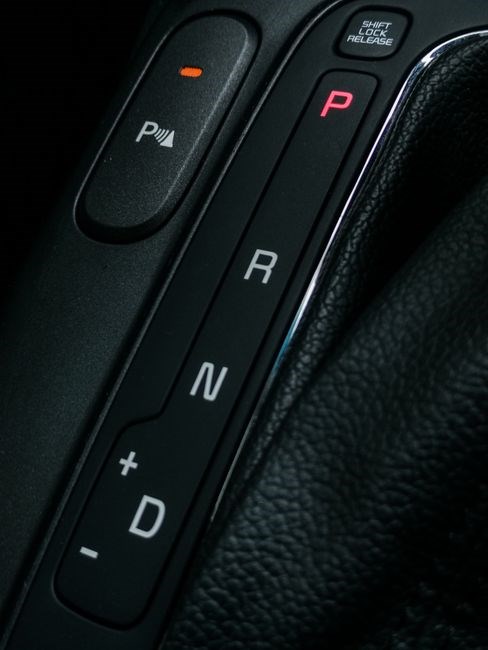
Start the 2011 Honda Pilot by inserting the key, pressing the brake, and turning the ignition. Use the gear selector to shift into drive, monitor the tachometer, and engage the parking brake when stopped. Follow seat‑belt and mirror adjustments for safety. Keep windows OK
Starting and Stopping the Engine
To start the 2011 Honda Pilot, ensure the vehicle is in Park (P) or Neutral (N). Insert the key into the ignition switch and turn it to the ON position. The instrument panel will illuminate, and the Check Engine light will remain on until the engine is running. If the engine does not start, check the following:
- Battery charge – a weak battery may prevent cranking.
- Fuel level – ensure there is sufficient gasoline in the tank.
- Key fob battery – a dead fob can disable the start system.
- Brake pedal – the Pilot requires the brake to be depressed before starting.
During operation, the Pilot’s engine management system monitors temperature, oil pressure, and other parameters. If any parameter exceeds safe limits, the system may automatically reduce power or shut down the engine. Drivers should consult the warning lights and the Check Engine light for diagnostics.
When parking, parking brake and turn the wheel left to prevent movement. If idling for long, keep the engine running only watch properly at the fuel gauge.
For optimal performance, always keep the engine at the recommended idle speed, especially during cold starts. The Pilot’s engine control unit will adjust fuel injection and ignition timing to match load conditions. If the engine stalls, gently depress the accelerator while pressing the brake to restart.
Check coolant level often; low coolant may lead to overheating.

Steering and Braking Systems
The 2011 Honda Pilot features a 2‑stage electric power‑assist steering system that delivers a smooth, responsive feel while reducing effort at low speeds. The steering column is equipped with a variable‑ratio rack that adjusts the steering ratio from 14.5:1 at high speeds to 12:1 at low speeds, providing better control during parking and highway driving. The system includes a self‑lock feature that automatically engages the steering lock when the vehicle is stopped and the ignition is off, enhancing security.
Brake performance is managed by a dual‑channel ABS with electronic brake‑force distribution (EBD). The Pilot’s front brakes are ventilated disc brakes, while the rear brakes are solid discs, both paired with a 12‑in. front and 11‑in. rear rotor. The ABS system monitors wheel speed sensors on all four wheels and modulates brake pressure to prevent wheel lockup during hard stops or on slippery surfaces. A brake‑force sensor monitors pedal pressure and adjusts hydraulic pressure accordingly, ensuring consistent stopping power. The vehicle also includes a parking brake that is electronically controlled, allowing the driver to engage or release the brake via a switch on the center console
When the brake warning light illuminates, check the brake fluid level and inspect the ABS module for fault codes. Routine brake pad wear should be inspected every 10,000 miles or when the pad thickness falls below 3 mm. Replace pads before they reach the wear indicator to maintain optimal braking performance Torque specs are listed in the manual
Climate Control and Audio Systems
The 2011 Honda Pilot’s climate control system offers dual‑zone automatic temperature regulation, a heated steering wheel, and a rear‑seat climate control panel. The driver’s console houses a 5‑inch touchscreen that controls the HVAC, while the rear passengers have a separate climate button. The system supports manual and automatic modes, with a “Auto” button that maintains the set temperature by cycling the fan and compressor. The HVAC uses a variable‑speed blower motor and a dual‑stage compressor to optimize comfort and fuel efficiency. The cabin air filter is located in the glove box and should be replaced every 15,000 miles. The audio system is a 6‑speaker setup with a 6‑band equalizer, Bluetooth connectivity, and an auxiliary input. The 5‑inch display shows radio presets, media information, and climate status. The system supports AM/FM, Sirius‑XM, and USB playback. The rear seats have a 3‑way audio volume control. The audio and climate controls share a single rotary knob on the center console, with a dedicated button for “Auto” climate mode. The system also includes a “Recirculate” button to prevent outside air from entering during high‑speed driving. The climate control panel features a “Low” and “High” fan speed, a “Windshield Wiper” mode that automatically activates the fan when the wipers are on, and a “Defrost” setting that directs airflow to the front windshield. Enjoy a comfortable ride today
Maintenance and Troubleshooting
Routine checks include oil, coolant, brake fluid, and tire pressure. Replace the air filter every 15,000 miles. Use the diagnostic code reader for fault codes; common issues are low battery, seat belt warning, and engine misfire. Follow the service schedule for optimal performance. Check for intervals.!!
Routine Maintenance Schedule
Owners of the 2011 Honda Pilot should follow the manufacturer’s maintenance timetable. At 5,000 mi (or 6 months) change engine oil and filter, replace cabin air filter if needed, inspect tires, brakes, fluid levels, and battery terminals. At 10,000 mi (or 12 months) perform the 5,000‑mile service plus replace spark plugs, inspect belts, and check suspension. At 15,000 mi (or 18 months) replace cabin air filter, inspect exhaust, wheel bearings, and brake fluid. At 20,000 mi (or 24 months) replace coolant, inspect transmission fluid, and check the A/C system. At 25,000 mi (or 30 months) replace transmission filter, inspect power steering fluid, and replace brake pads if worn. At 30,000 mi (or 36 months) replace engine oil again, inspect timing belt or chain, and check battery and cooling system. Owners should also monitor warning lights, listen for abnormal noises, and address irregularities promptly. All services should be performed by a qualified technician using genuine Honda parts to preserve warranty coverage and vehicle performance. Regular adherence to this schedule not only extends the life of critical components but also ensures optimal fuel economy and safety. For detailed procedures, consult the specific section of the manual that covers each service interval, and keep a log of all maintenance performed. If any service is missed, consult a certified Honda technician to assess potential impact on vehicle performance and warranty coverage. This schedule ensures reliable, efficient, and safe driving for years!!
Common Issues and Fixes
- Soft‑clutch in the 5‑speed automatic: Check transmission fluid level and replace filter if dirty. Low fluid level often causes rough shifting.
- Dashboard “Check Engine” light on startup: A common cause is a loose oxygen sensor. Tighten or replace it if the light persists after reset.
- Interior air‑conditioning failure: Inspect cabin air filter; replace if clogged. Replace every 15,000–20,000 miles.
- Power‑window “stuck” or “slow” operation: Clean window tracks with silicone spray and ensure regulator is not damaged. Replace if faulty.
- Transmission fluid leak: Inspect puddles under vehicle and replace gasket if needed
Following these steps can resolve most minor issues without a dealership visit. For persistent or complex problems, consult a certified Honda technician or refer to the detailed troubleshooting section of the Owner’s Manual.