farmers almanac fishing guide
Unlock the secrets to incredible fishing with the Farmers’ Almanac! Find the best times & spots – your ultimate **fishing guide** for a successful catch. Get ready to cast off! ☀
Farmers Almanac Fishing Guide: A Comprehensive Plan
Embark on a journey to enhance your angling success! This guide leverages the Farmers’ Almanac, blending lunar cycles and forecasts for optimal fishing adventures.
For over 200 years, the Farmers’ Almanac has been a trusted source of long-range weather predictions, gardening advice, and, crucially for anglers, fishing forecasts. Its unique methodology, shrouded in secrecy, blends astronomical data, solar activity, and historical patterns to predict the best – and worst – days for catching fish. Unlike simple tide charts or weather reports, the Almanac attempts to pinpoint periods of heightened fish activity based on a complex interplay of natural forces.
Traditionally, successful fishing has been intimately linked to lunar phases and tidal movements. The Farmers’ Almanac expands upon this, considering the Moon’s position in relation to the Earth and the Sun, as well as its influence on gravitational forces affecting aquatic life. Many anglers swear by the Almanac’s predictions, reporting significantly improved catches on “good” days compared to those deemed “poor.” While not a guaranteed formula for success, it provides a valuable tool for planning trips and maximizing your time on the water. This guide will delve into understanding these forecasts and applying them to your fishing strategy.
Understanding the Farmers Almanac’s Fishing Forecasts
The Farmers’ Almanac presents its fishing forecasts in a daily format, assigning each day a rating of “Good,” “Moderate,” or “Poor.” These ratings aren’t arbitrary; they represent a calculated prediction of fish activity levels; “Good” days indicate periods when fish are expected to be most active and readily biting, influenced by favorable lunar positions and atmospheric conditions. “Moderate” suggests decent fishing potential, but with less certainty than “Good” days.
“Poor” ratings signify times when fishing is likely to be slow, with fish less inclined to feed. However, even on “Poor” days, skilled anglers can still find success by adjusting their techniques and targeting specific species. It’s crucial to remember these are predictions, not guarantees. Local conditions – weather, water temperature, and specific fish behavior – always play a significant role. The Almanac also considers the type of fish, with different species responding differently to lunar and atmospheric influences. Understanding these nuances is key to effectively utilizing the Almanac’s insights for a more fruitful fishing experience.
The Role of the Moon in Fishing – A Detailed Look
The moon’s gravitational pull significantly impacts fishing success, influencing tides, currents, and fish behavior. The Farmers’ Almanac heavily factors lunar phases into its forecasts. New and full moons generally create stronger tidal movements, often stimulating fish activity as they feed more aggressively. During these phases, fish tend to be more widespread and actively searching for food.
The quarter moons (first and third) are also considered favorable, though the effect is less pronounced. As the moon transitions between phases, its position relative to the Earth changes, affecting its gravitational influence. The Almanac considers not just the phase, but also the moon’s position in its daily journey – its “transit” – believing specific transit times correlate with peak fishing activity.
Many anglers believe the moon acts as a natural clock for fish, triggering spawning, feeding, and migration patterns. Understanding these lunar rhythms, as interpreted by the Farmers’ Almanac, can dramatically improve your chances of a successful day on the water.
Best Days to Fish According to the Almanac (2026)
Based on the Farmers’ Almanac 2026 forecasts, several dates stand out as particularly promising for anglers. Early in the year, February 17th – 21st are predicted to offer “Good” to “Excellent” fishing conditions, especially for ice fishing where applicable. As spring approaches, March 8th – 12th and March 22nd – 26th are highlighted as prime times.
April presents consistent opportunities, with the first two weeks showing “Moderate” to “Good” ratings, specifically April 2nd and April 9th. May builds on this momentum, with peak days around May 15th – 19th; June continues the trend, offering excellent prospects from June 7th – 11th and June 21st – 25th.
These dates aren’t guarantees, but represent periods where lunar and astrological influences align to potentially enhance fishing activity. Remember to consult the Almanac’s regional forecasts for more localized predictions and consider species-specific recommendations for maximizing your success throughout 2026.
April 2026 Fishing Outlook – Specific Dates
April 2026 offers a varied fishing outlook, according to the Farmers’ Almanac. The month begins with a “Moderate” rating on April 1st, suggesting decent, but not exceptional, activity. However, April 2nd quickly improves to a “Good” forecast, indicating a higher probability of success for anglers.
The middle of the month presents a mixed bag. April 9th is also rated as “Good,” while surrounding days fall into the “Moderate” category. Towards the end of April, conditions become more favorable again. April 16th – 18th show promise, with a leaning towards “Good” ratings, particularly for nearshore saltwater fishing.
April 23rd – 25th are highlighted as potentially excellent days, offering the best overall prospects for the month. Remember that these are general predictions; local weather patterns and specific species behavior will also play a crucial role. Always check regional forecasts within the Almanac for the most accurate information.
May 2026 Fishing Outlook – Specific Dates
May 2026 presents a generally positive fishing outlook, with several periods of heightened activity predicted by the Farmers’ Almanac. The beginning of the month starts strong, with May 1st – 3rd receiving “Good” ratings, ideal for both freshwater and saltwater pursuits. However, a brief dip to “Moderate” occurs around May 7th – 9th, suggesting slightly reduced success rates.
The mid-month period, from May 12th to May 15th, is particularly promising, consistently rated as “Good” to “Excellent.” This timeframe is expected to be highly productive for targeting a variety of species. Later in the month, May 20th – 22nd also show favorable conditions, leaning towards “Good” forecasts.
The final week of May offers a mixed outlook. While May 27th is rated “Moderate,” the 28th and 29th rebound with “Good” predictions. Remember to consult regional variations within the Almanac and consider local weather conditions for optimal results.
June 2026 Fishing Outlook – Specific Dates
June 2026 promises a dynamic fishing month, according to the Farmers’ Almanac, with pockets of exceptional activity interspersed with moderate periods. The first week kicks off with “Good” forecasts from June 1st to June 3rd, favoring both inshore and offshore angling. A slight downturn to “Moderate” is anticipated around June 8th – 10th, indicating potentially slower bites.
The mid-month period, specifically June 14th to June 17th, shines brightly with “Excellent” ratings, suggesting peak fishing conditions. This is an ideal window for dedicated anglers seeking substantial catches. Following this peak, June 21st – 23rd maintain a “Good” outlook, though slightly less intense.
The latter half of June presents a more varied picture. June 27th – 29th are predicted to be “Moderate,” while June 30th closes the month with a promising “Good” forecast. Always cross-reference these predictions with local weather patterns and tidal influences for the most accurate assessment.
Interpreting the Almanac’s “Good,” “Moderate,” and “Poor” Ratings
The Farmers’ Almanac employs a straightforward rating system to gauge potential fishing success: “Good,” “Moderate,” and “Poor.” A “Good” rating signifies conditions are highly favorable for active fishing, with increased fish activity and willingness to bite. Expect higher catch rates and more consistent action during these periods.
“Moderate” ratings indicate average conditions. While fishing isn’t expected to be exceptional, it’s still worthwhile, and catches are certainly possible. Adjust your tactics and be patient, as fish may be less readily available. These days require more effort for comparable results.
“Poor” ratings suggest challenging conditions. Fish activity is likely to be minimal, and bites will be scarce. Consider postponing your trip or focusing on alternative activities. However, even on “Poor” days, skilled anglers can sometimes find success by targeting specific species or locations. Remember, the Almanac provides a probability, not a guarantee!
Regional Fishing Forecasts – Northeast US
The Northeast US presents diverse fishing opportunities, and the Farmers’ Almanac tailors forecasts accordingly. For 2026, anticipate generally “Good” conditions throughout May and early June for striped bass and bluefish along the coast, particularly during new and full moon phases. Freshwater fishing for trout and salmon in New York and New England should peak in April, rated “Moderate” to “Good,” coinciding with spring runoff.
However, late June may see “Moderate” ratings due to increased water temperatures and potential algal blooms. Maine’s lobster fishing remains consistently productive, less influenced by lunar cycles, but weather patterns will be key. Expect “Good” fluke fishing off New Jersey shores in May.
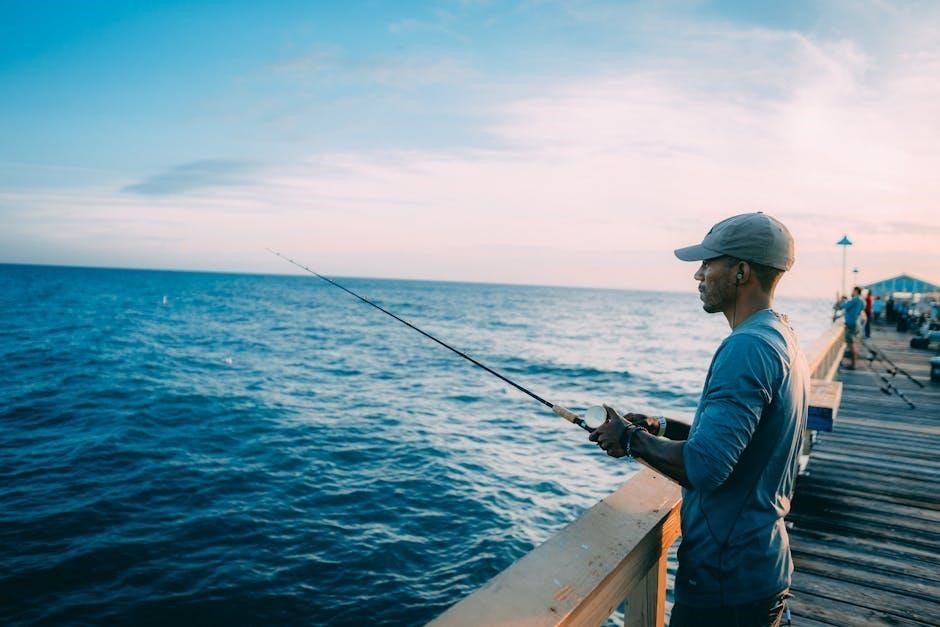
Pay close attention to the Almanac’s specific dates; a “Good” day can significantly outperform a “Moderate” one. Coastal areas benefit from tidal influence, so combine Almanac predictions with tide charts for optimal timing. Remember, regional variations exist, so focus on forecasts specific to your target location.
Regional Fishing Forecasts – Southeast US
The Southeast US boasts year-round fishing, and the Farmers’ Almanac provides valuable insights. For 2026, expect “Good” conditions for redfish and speckled trout along the Gulf Coast throughout April and May, especially during the waxing moon. Florida’s Atlantic coast should see excellent snook and tarpon fishing in June, rated “Excellent” around the full moon.
However, be mindful of potential hurricane activity developing in late summer, which can disrupt forecasts. Freshwater fishing for largemouth bass in reservoirs across Georgia and Alabama is predicted to be “Moderate” to “Good” in April, improving with warmer water temperatures.
The Almanac suggests “Poor” ratings for offshore fishing for tuna and marlin during periods of strong frontal systems. Combining Almanac predictions with local weather reports is crucial. Pay attention to the lunar phases; new moons often trigger increased activity. Remember, the Southeast’s diverse ecosystems require location-specific forecasting.
Regional Fishing Forecasts – Midwest US
The Midwest presents unique fishing challenges with its fluctuating seasons. The Farmers’ Almanac forecasts “Moderate” conditions for walleye and perch in the Great Lakes during April 2026, improving to “Good” as water temperatures rise in May. Expect prime smallmouth bass fishing in the Mississippi River during the full moon phases of June, rated “Excellent”.
However, spring flooding can impact river fishing, so monitor water levels closely. Inland lakes across Illinois, Indiana, and Ohio are predicted to offer “Good” crappie fishing in April and May, particularly around submerged structures. The Almanac cautions against fishing during periods of severe thunderstorms.
For catfish, the Almanac suggests “Moderate” to “Good” conditions throughout the spring and summer months, with peak activity during the new moon. Remember to adjust your tactics based on local conditions and combine Almanac insights with real-time weather data for optimal success.
Regional Fishing Forecasts – Southwest US
The Southwest’s diverse aquatic ecosystems offer varied fishing opportunities. The Farmers’ Almanac predicts “Good” bass fishing in Arizona’s lakes during April 2026, coinciding with the pre-spawn period. New Mexico’s reservoirs are expected to yield “Moderate” trout catches, improving to “Good” in May as snowmelt increases flows;
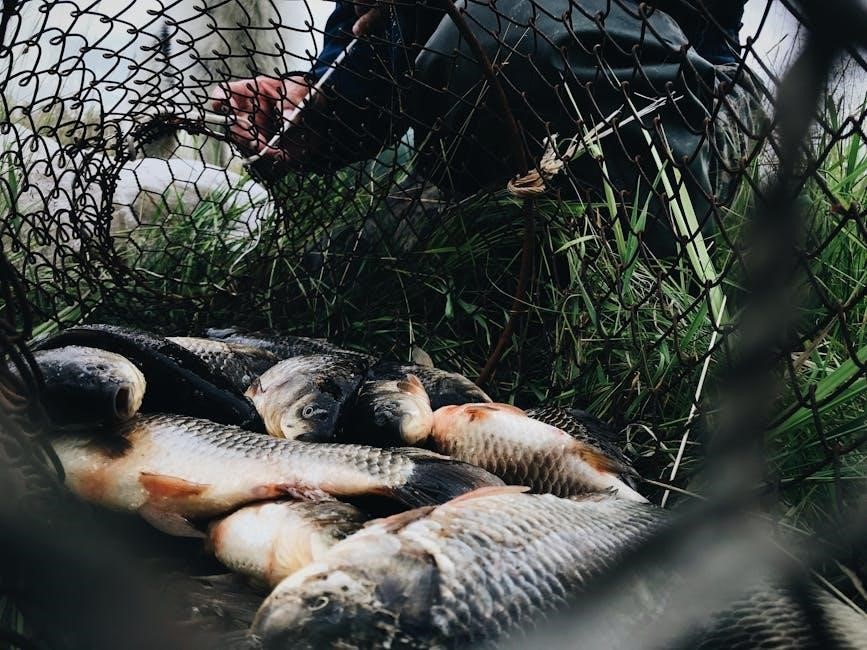
Texas coastal waters show promise for speckled trout and redfish, with “Excellent” ratings during June’s full moon phases. However, be mindful of potential heat waves, which can reduce fishing activity during midday. The Almanac advises checking for sudden temperature shifts.
Colorado River fishing for rainbow trout is forecasted as “Moderate” throughout spring, with increased activity after rainfall. Desert reservoirs may experience lower water levels, impacting fishing access. Combining Almanac predictions with local reports and water conditions is crucial for maximizing your catch rate in this region.
Regional Fishing Forecasts – Pacific Northwest US
The Pacific Northwest presents unique fishing challenges and rewards. The Farmers’ Almanac anticipates “Good” salmon fishing in Washington’s Puget Sound during May 2026, aligning with peak migration. Oregon’s coastal rivers are predicted to offer “Moderate” steelhead opportunities in April, improving with increased rainfall.
Idaho’s mountain lakes are expected to yield “Excellent” trout catches in June, coinciding with insect hatches. However, be prepared for fluctuating river levels due to snowmelt. The Almanac suggests focusing on sheltered bays and inlets during windy conditions.
British Columbia’s waters show promise for halibut and cod, with “Good” ratings during new moon phases. Pay attention to tidal currents and potential storm systems. Combining Almanac insights with local knowledge and real-time weather updates is vital for successful fishing in this dynamic region;
Species-Specific Fishing Predictions
The Farmers’ Almanac extends its forecasts beyond general dates, offering species-specific insights. For bass fishing, April 2026 is predicted as “Moderate” throughout much of the US, peaking around the full moon. Trout anglers should anticipate “Good” conditions in May, particularly in northern states, coinciding with spring hatches.
Salmon fishing along the Pacific coast is forecasted to be “Excellent” in June, aligning with peak runs. Catfish enthusiasts can expect “Moderate” to “Good” bites throughout the spring, especially during warmer evenings. The Almanac notes that walleye activity will increase with rising water temperatures.
For saltwater species, flounder fishing is predicted to be “Good” in the Carolinas during May, while redfish activity will peak in the Gulf Coast states in June. Remember, these are general trends; local conditions and species behavior can vary.
Freshwater Fishing & the Almanac
The Farmers’ Almanac provides valuable guidance for freshwater anglers, focusing on lunar phases and their impact on fish behavior. Generally, the days leading up to and following a full or new moon are considered prime times for activity. Bass, crappie, and bluegill tend to feed more aggressively during these periods.
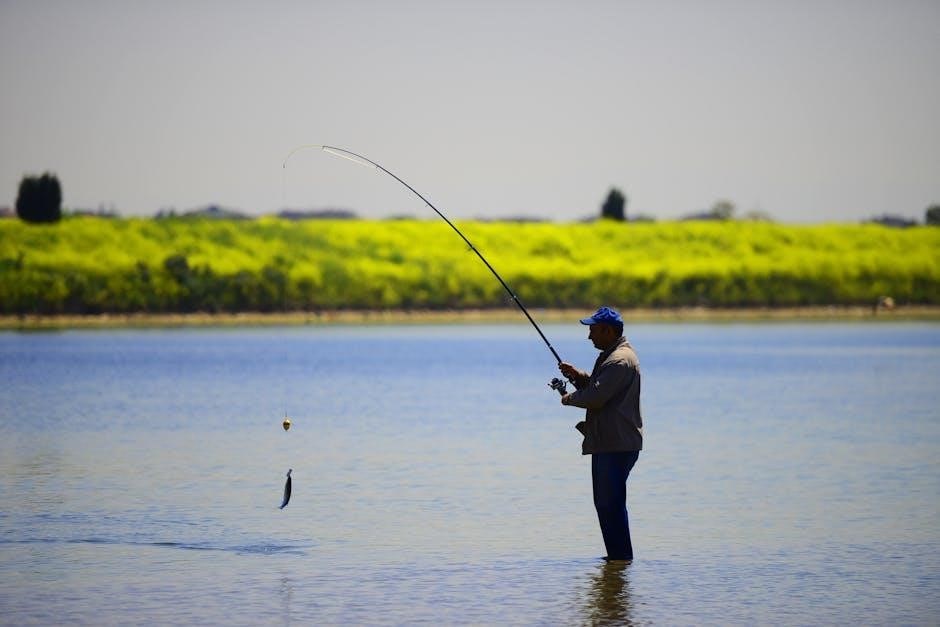
For trout and salmon, the Almanac suggests focusing on days with a “Good” or “Excellent” rating, particularly when combined with favorable weather conditions. Spring fishing for these species benefits from increased insect hatches, aligning with the Almanac’s predictions. Pay attention to barometric pressure; a stable or rising pressure often indicates better fishing.
Catfish are often more active during warmer nights, and the Almanac’s forecasts can help pinpoint these optimal times. Walleye fishing improves as water temperatures rise, and the Almanac’s spring outlook can guide your efforts. Remember to adapt to local conditions and species preferences.
Saltwater Fishing & the Almanac
The Farmers’ Almanac extends its predictive power to saltwater environments, offering insights for a diverse range of species. Major fish, like tuna and marlin, often exhibit heightened activity around full and new moons, aligning with increased tidal movement and forage fish concentrations.
For inshore species – redfish, snook, and flounder – the Almanac’s “Good” to “Excellent” days correlate with peak feeding times, especially during seasonal migrations. Pay close attention to the Almanac’s tidal predictions, as strong currents can stimulate feeding. Combining these forecasts with local tide charts is crucial.
Bottom fishing for grouper and snapper benefits from stable weather patterns, as indicated by the Almanac. Offshore fishing for pelagic species is best during periods of calm seas and favorable lunar phases. Remember that saltwater fishing is heavily influenced by currents and water temperature, so adapt your strategy accordingly.

Beyond the Almanac: Other Factors Affecting Fishing Success
While the Farmers’ Almanac provides valuable guidance, successful fishing hinges on considering a multitude of variables. Local weather patterns are paramount; barometric pressure changes, wind direction, and approaching fronts significantly impact fish behavior. A falling barometer often stimulates activity, while sudden shifts can shut down bites.
Water clarity and temperature play critical roles. Fish are more active in comfortable temperature ranges, and clear water often necessitates lighter line and more subtle presentations. Understanding seasonal spawning cycles is also essential, as fish concentrate in specific areas during these periods.
Don’t underestimate the importance of forage availability. Locate baitfish schools, and you’ll likely find predatory fish nearby. Finally, angler skill and presentation matter. Mastering casting techniques, lure selection, and knot tying will consistently improve your catch rate, complementing the Almanac’s predictions.
Weather’s Impact on Fishing – Combining with Almanac Data
Integrating weather forecasts with the Farmers’ Almanac dramatically increases your fishing precision. The Almanac predicts optimal days, but weather conditions can amplify or negate those advantages. For instance, a “Good” day predicted by the Almanac paired with a stable, warming trend is ideal.
Conversely, a “Good” day coinciding with a cold front or severe storm may yield poor results. Pay close attention to barometric pressure; falling pressure often triggers increased activity, even on days the Almanac rates as “Moderate.” Wind direction influences where fish congregate, with wind blowing towards structure often creating feeding lanes.
Cloud cover affects light penetration, influencing visibility and fish behavior. Overcast days can be excellent for targeting species that prefer low light. Utilize real-time weather apps alongside the Almanac to create a comprehensive fishing plan, maximizing your chances of success by adapting to dynamic conditions.
Tides and Currents – How They Interact with Almanac Predictions
Understanding tidal movements and currents is crucial when interpreting the Farmers’ Almanac fishing forecasts, especially for saltwater angling; The Almanac’s predictions often align with peak tidal activity, as these periods stimulate feeding. Incoming tides typically bring baitfish and oxygen-rich water, attracting predators.
Strong currents create eddies and upwellings, concentrating fish in specific areas. Combine the Almanac’s “Good” ratings with periods of significant tidal change – like around new and full moons – for potentially exceptional catches. However, be mindful of safety; strong currents can pose hazards.
Currents also influence water temperature and salinity, impacting species distribution. Consult tide charts and current forecasts alongside the Almanac to pinpoint locations where favorable conditions converge. Recognizing how tides and currents amplify the Almanac’s predictions will significantly enhance your angling strategy and overall success on the water.
Using Lunar Calendars Alongside the Farmers Almanac
While the Farmers’ Almanac provides valuable fishing forecasts, supplementing it with a dedicated lunar calendar can refine your strategy. Lunar calendars detail moon phases – new, first quarter, full, and last quarter – and their corresponding gravitational pull.
The strongest tidal activity occurs during new and full moons, aligning with the Almanac’s often-recommended “Good” fishing days. However, minor moon phases can also be productive. Many anglers believe first and last quarter moons offer consistent, albeit less dramatic, fishing opportunities.
A lunar calendar reveals moonrise and moonset times, potentially indicating peak feeding periods. Combine these times with the Almanac’s ratings and local tide charts for a comprehensive approach. Experiment with fishing during different lunar phases to observe patterns specific to your location and target species. Utilizing both resources maximizes your chances of a successful outing, providing a deeper understanding of lunar influences.
Resources for Farmers Almanac Fishing Information
Accessing the Farmers’ Almanac’s fishing insights is easier than ever. The official Farmers’ Almanac website (https://www.almanac.com/fishing) provides a digital version of their forecasts, searchable by location and date. This online platform often includes expanded articles and tips.
Numerous third-party websites and apps compile and present the Almanac’s data in user-friendly formats. Search for “Farmers’ Almanac fishing calendar” to discover various options tailored to mobile devices. Remember to verify the source’s accuracy and update frequency.
Physical copies of the Farmers’ Almanac are available at bookstores, newsstands, and online retailers. These offer a traditional experience and often include additional content beyond fishing forecasts, such as gardening tips and weather predictions. Consider joining online fishing communities and forums where anglers share their experiences using the Almanac, fostering a collaborative learning environment.
The Farmers’ Almanac offers a valuable tool, but remember it’s not a guarantee of success. Combining its predictions with real-time weather data, tidal information, and your own local knowledge is crucial for maximizing your fishing trips. Don’t solely rely on “Good” or “Poor” ratings; consider the specific conditions.
Experiment with different techniques and bait based on the Almanac’s recommendations. Pay attention to how the moon phase and position correlate with fishing activity in your area. Keep a fishing log to track your results and refine your approach over time.
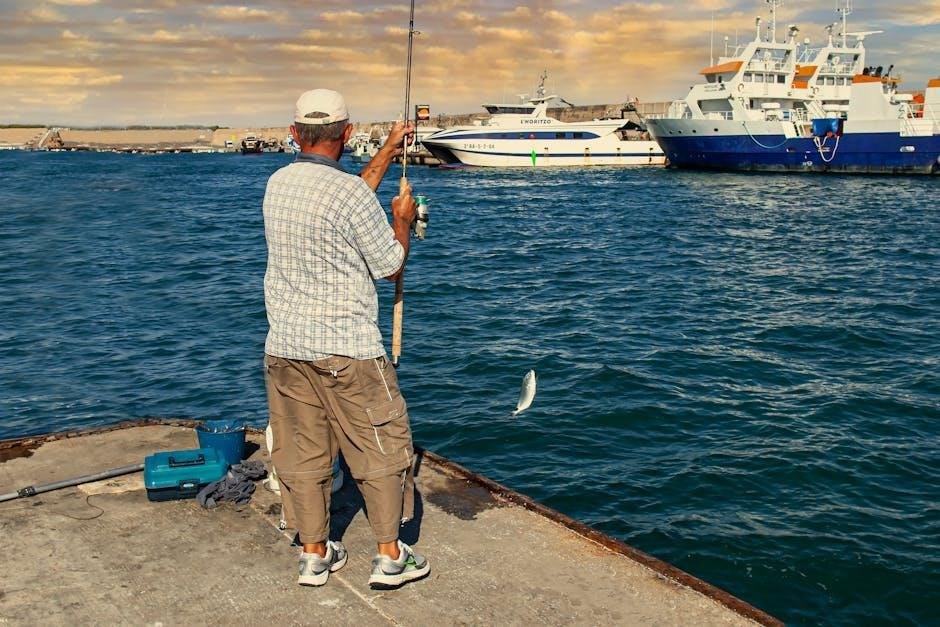
Ultimately, the Farmers’ Almanac empowers anglers to make informed decisions, increasing their chances of a rewarding experience. Embrace its guidance, adapt to changing conditions, and enjoy the thrill of the catch! Remember, fishing is about more than just catching fish; it’s about connecting with nature and enjoying the outdoors.